Operational intelligence for complex environments.
Case Studies

Real engagements, measurable outcomes

Explore how we've helped organizations across industries build clearer operating systems for their businesses. Each case study represents a real engagement type, with illustrative results that demonstrate the kinds of outcomes we deliver.

Logistics Data Platforms

Multi-location logistics company improves dispatch reliability and analytics visibility

Client Context

A regional logistics provider operating 12 distribution centers across the Midwest, managing a fleet of 340 vehicles and processing approximately 8,000 deliveries per day. The company had grown through acquisitions, inheriting disparate technology systems at each location.

The Challenge

Dispatch teams relied on manual spreadsheet-based coordination across locations. There was no unified view of fleet operations, delivery performance data was inconsistent, and management lacked reliable metrics for operational decision-making. Reporting required 15+ hours per week of manual data collection and reconciliation.

Our Solution

We implemented a unified data platform that consolidated fleet telematics, dispatch systems, and delivery confirmation data into a single analytics environment. We built automated data pipelines, created real-time operational dashboards, and developed executive reporting that provided consistent, trustworthy metrics.

Implementation Approach

Phased 7-month engagement: data source assessment and integration design (6 weeks), pipeline development and data validation (10 weeks), dashboard development and user training (8 weeks), and optimization with ongoing support transition (8 weeks).

Illustrative Engagement Results

68%
Reduction in dispatch decision time
94.2%
On-time delivery rate achieved
15+ hrs
Weekly manual reporting eliminated

Illustrative engagement results. Actual outcomes vary by organization.

"For the first time, our operations team has a single source of truth. We can see what's happening across all 12 centers in real time, and our dispatchers are making faster, better-informed decisions."
— Jamie, VP of Operations, Regional Logistics Provider
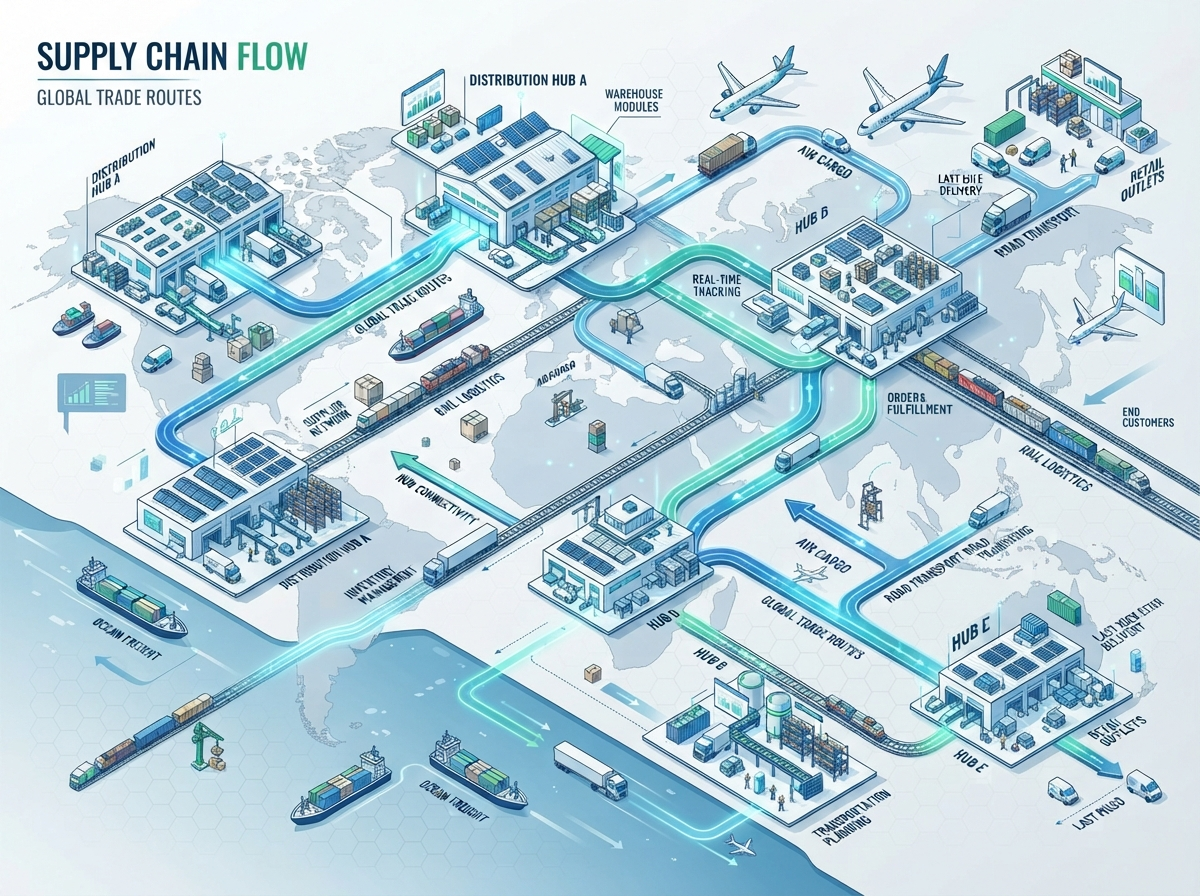
Logistics and supply chain operations illustration
Healthcare Cybersecurity

Healthcare services organization strengthens identity governance and endpoint visibility

Client Context

A multi-site healthcare services organization with 8 clinic locations, 2,400 employees, and a growing telehealth program. The organization was subject to HIPAA compliance requirements and had recently undergone a security audit that identified gaps in identity management and endpoint visibility.

The Challenge

Identity and access management was fragmented across systems with no centralized governance. Endpoint devices across clinic locations were inconsistently managed, and the security team lacked visibility into potential vulnerabilities. Staff turnover created access provisioning delays and orphaned accounts.

Our Solution

We implemented a unified identity governance platform with automated provisioning and de-provisioning, deployed endpoint detection and response (EDR) across all locations, established a security operations center with 24/7 monitoring, and developed HIPAA-aligned security policies and procedures.

Implementation Approach

Phased 9-month engagement: security assessment and gap analysis (8 weeks), identity governance implementation (12 weeks), EDR deployment and endpoint remediation (10 weeks), SOC establishment and monitoring activation (8 weeks), and policy development with staff training (10 weeks).

Illustrative Engagement Results

92%
Reduction in orphaned accounts
4 min
Average threat detection time
100%
Endpoints with active monitoring

Illustrative engagement results. Actual outcomes vary by organization.

"We went from having no real visibility into our security posture to having 24/7 monitoring with measurable response times. Our board finally has the security metrics they need, and we passed our compliance audit with zero findings."

— Rachel, Chief Information Security Officer, Healthcare Services Organization
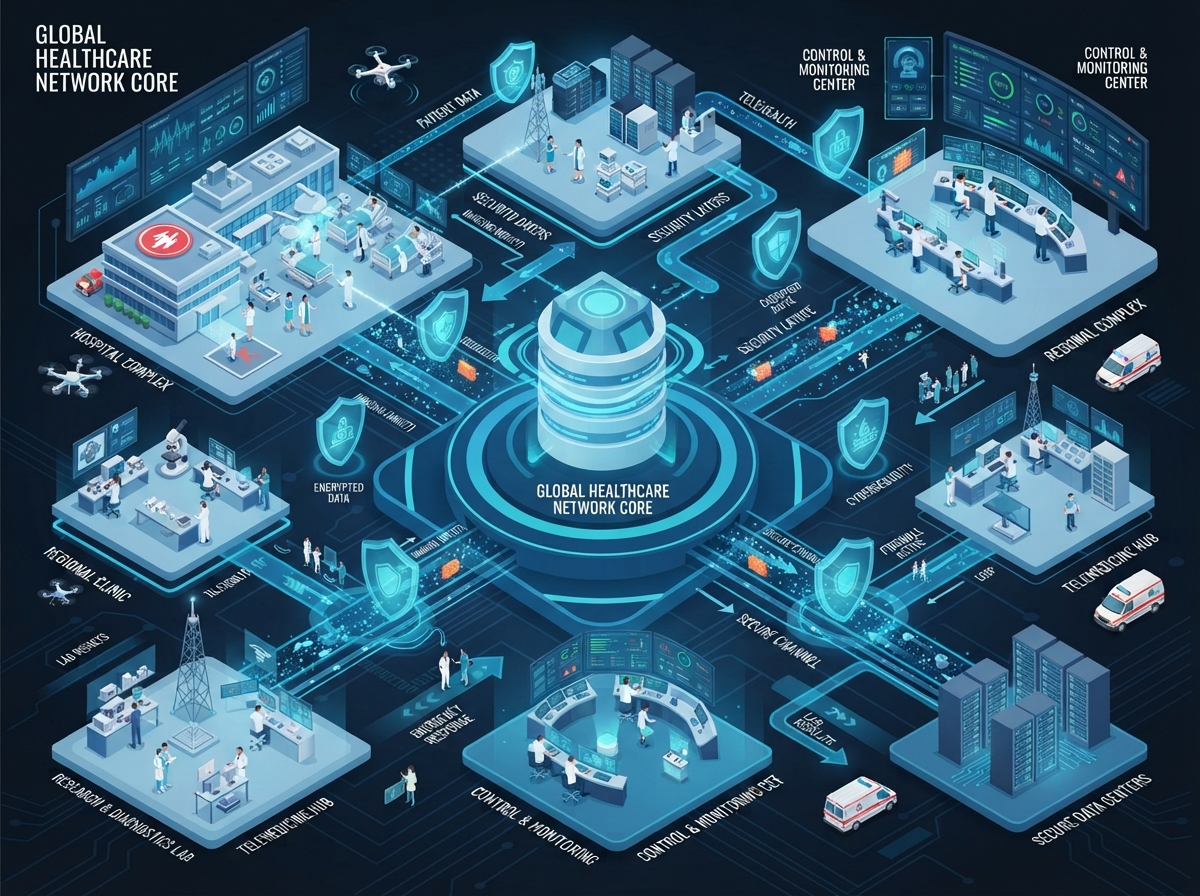
Healthcare technology and security illustration
Manufacturing Workflow Automation

Specialty manufacturer reduces manual order-to-production handoffs

Client Context

A specialty manufacturer producing custom industrial components for 3 production facilities. The company processed approximately 1,200 custom orders per month, with each order requiring specification review, material sourcing, production scheduling, and quality documentation.

The Challenge

The order-to-production process involved 14 manual handoffs between sales, engineering, procurement, and production teams. Orders were tracked via email and spreadsheets, leading to delays, errors in specification translation, and difficulty meeting delivery commitments. Production planning lacked real-time visibility into order status.

Our Solution

We designed and implemented an intelligent workflow automation system that connected the CRM, ERP, and production scheduling systems. Automated workflows handled order validation, specification routing, material availability checks, and production scheduling. Exception handling and approval workflows reduced manual intervention while maintaining quality controls.

Implementation Approach

Phased 6-month engagement: process mapping and automation design (6 weeks), system integration development (10 weeks), workflow testing and validation (6 weeks), phased rollout with parallel operations (6 weeks), and optimization with performance monitoring (4 weeks).

Illustrative Engagement Results

73%
Reduction in order processing time
91%
On-time production start rate
40%
Fewer specification errors

Illustrative engagement results. Actual outcomes vary by organization.

"What used to take our team 3 days of back-and-forth emails now happens automatically in hours. Our production planners can finally see the full pipeline, and our customers are getting more reliable delivery dates."

— Tom, Director of Operations, Specialty Manufacturer
Manufacturing automation and workflow illustration

Ready to discuss your own engagement?

Every organization's situation is different. Let's have a practical conversation about your priorities and what a successful engagement looks like for you.

Start a Conversation